

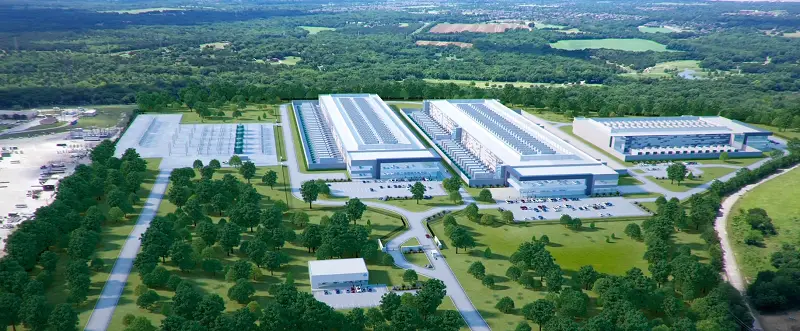
San Angelo's Water and Data Center Problem
CEO of the San Angelo Chamber of Commerce Steve Ahlenius said "San Angelo stands at the threshold of an unprecedented economic opportunity" referencing the proposed data center to be built on city land. While I'm not so sure even about that statement, this piece is not covering the economic impact. I do not fault Steve for prioritizing money, that is his job: money and development (which typically go together). However, I believe the environmental impact of this project is far more important to analyze.
Let me be abundantly clear, I do not believe that San Angelo needs a data center. It has been stated as an opportunity, city employees have referenced a $40 billion Google data center (wildly different than the one we are getting), and an op-ed was penned about how it is a "game changer". However, it is critical to understand these data center builders and the companies which run infrastructure inside of them can be leeches. They can take our energy, our water, lay waste to viable farmland, and pollute our air. They are not our friends, but they can be our partners.
Data centers should be treated with immense scrutiny. Think of it like medicine: yes, you may need it to cure an issue you have, but are you willing to expose yourself to the list of side effects a mile long to cure that issue, or will you just tough it out? I say all of this to dispel the marketing campaign trying incredibly hard to sell this data center as something we must approve of or lose a fantastic opportunity. If we pass up on this data center, more will come. There is not some sort of "blacklist" for being concerned about the impacts of a relatively new phenomenon of widespread massive data center needs. We do not yet fully understand the environmental impact of these sites. It is incredibly difficult to find information on consumption and impacts as a significant number of data sets are hidden behind walls of "proprietary trade secrets".
It has been touted numerous times by city officials that data centers can be on a closed cooling loop. This has been about as detailed and nuanced as I have heard this discussion. I hope and pray city officials are going into more depth behind closed doors as to what this really means and the real implications of it. A closed loop system is not some magic fix for wasting water in the slightest. While it does increase efficiency by up to 80%, it does not remove the need for new water intake. This is shown in figures you see where it is stated "10 million initial water intake then 1 million additional every five years". I made those numbers up for the sake of an example, they are not real numbers so do not fact check me on that. This is actually a great advancement in data center technology, and a real selling point for these data center projects. I think city officials properly understand the only way this data center can exist is on a closed cooling loop which I absolutely applaud them for. I hope they continue to push for increased environmental protection.
The trouble with these closed cooling loops is they contain more than just water. The liquid inside these systems contains harmful chemicals such as biocides, corrosion inhibitors, and significant amounts of anti-freeze. Now, I am not recommending that you drink the water that is used to cool a data center, but to be fair I am also not recommending you drink San Angelo tap water. San Angelo has a troubled history highlighting an inability at times to provide citizens with a necessity of life: clean drinking water. The City of San Angelo has even failed to comply with regulations requiring they notify citizens of unsafe water conditions. Closed system or closed loop is a misleading term for these systems as the water and chemicals do eventually have to go somewhere. Clogs can develop in these systems, heavy metals can pile up, and leaks and even complete line breaks can occur. This project would require significant oversight to remain safe which the State of Texas refuses to provide, and I am unsure the City of San Angelo is capable to provide.
That last paragraph sounded harsh and I tried to think of ways to reword it while still telling the truth, but I just couldn't. The fact of the matter is that San Angelo's government has proven itself to me to be incapable of managing water. I never like to discuss a problem without a viable solution so here it is wastewater that can be used within one of these cooling systems. The city currently dumps significant amounts of wastewater into the South Concho River. Instead of dumping human feces into the river, the city could sell the wastewater at a profit to this data center company, and they could utilize it to cool their systems without taking any of the cleaner water from the already heavily polluted and neglected South Concho River. This would also prevent millions of gallons of human feces and chemicals from entering our river. Maybe some day even people will feel comfortable eating fish they catch in it again.
If the city is able to work with these companies to establish a partnership and a requirement of not just economic investment but of investment in a sustainable infrastructure to not only make money but also improve our environment, that would be a fantastic win. Like I mentioned earlier, these companies are unlikely to balk at the idea and simply walk away from the negotiating table. They need us, we do not need them. Public opinion is against these companies everywhere they do, and rightfully so. If these companies are unwilling to invest in sustaining our landscape and not destroying our land, our air, and our water, they should stay far away.